Securing a home is no longer a task reserved for high-profile estates or commercial warehouses. In the current residential landscape, homeowners are increasingly turning to technology to safeguard their families, property, and peace of mind. The transition from a vulnerable house to a fortified home often begins with a professional installation day. While the thought of technicians drilling into walls and running cables might seem disruptive, a well-coordinated installation is a streamlined process designed to integrate modern technology seamlessly into your daily life.
The decision to install a system is backed by significant trends in American safety. According to Consumer Affairs, video surveillance systems are the most common type of security device, and floodlights are the most common security feature. This combination of visual deterrents and active illumination creates a formidable defense against potential intruders. However, the effectiveness of these devices relies heavily on their placement and configuration. Understanding the timeline and the technical steps involved can help you prepare your home and your family for a successful setup.
In this article, we will break down the chronological steps of a professional security setup, from the initial site walk-through to the final system testing and homeowner training.
The Initial Consultation and Site Walkthrough
Before a single screw is turned, the process begins with a comprehensive evaluation of your property. A lead technician or security consultant will walk the interior and exterior of your home with you to identify specific vulnerabilities. During this phase, they are looking for blind spots in your landscaping, vulnerable entry points such as basement windows or sliding glass doors, and high-traffic areas that require motion detection. This is the ideal time to discuss your specific concerns, such as package theft or monitoring a detached garage.
This walkthrough serves as the blueprint for the entire project. The technician will determine the optimal mounting heights for cameras to ensure they are out of reach of vandals while still providing clear facial recognition. They will also assess the strength of your home's Wi-Fi network and identify the best locations for the central control panel. This initial step ensures that the final system is customized to the unique architectural layout of your home rather than being a generic, ineffective solution.
The Strategy Behind House Security Camera Installation
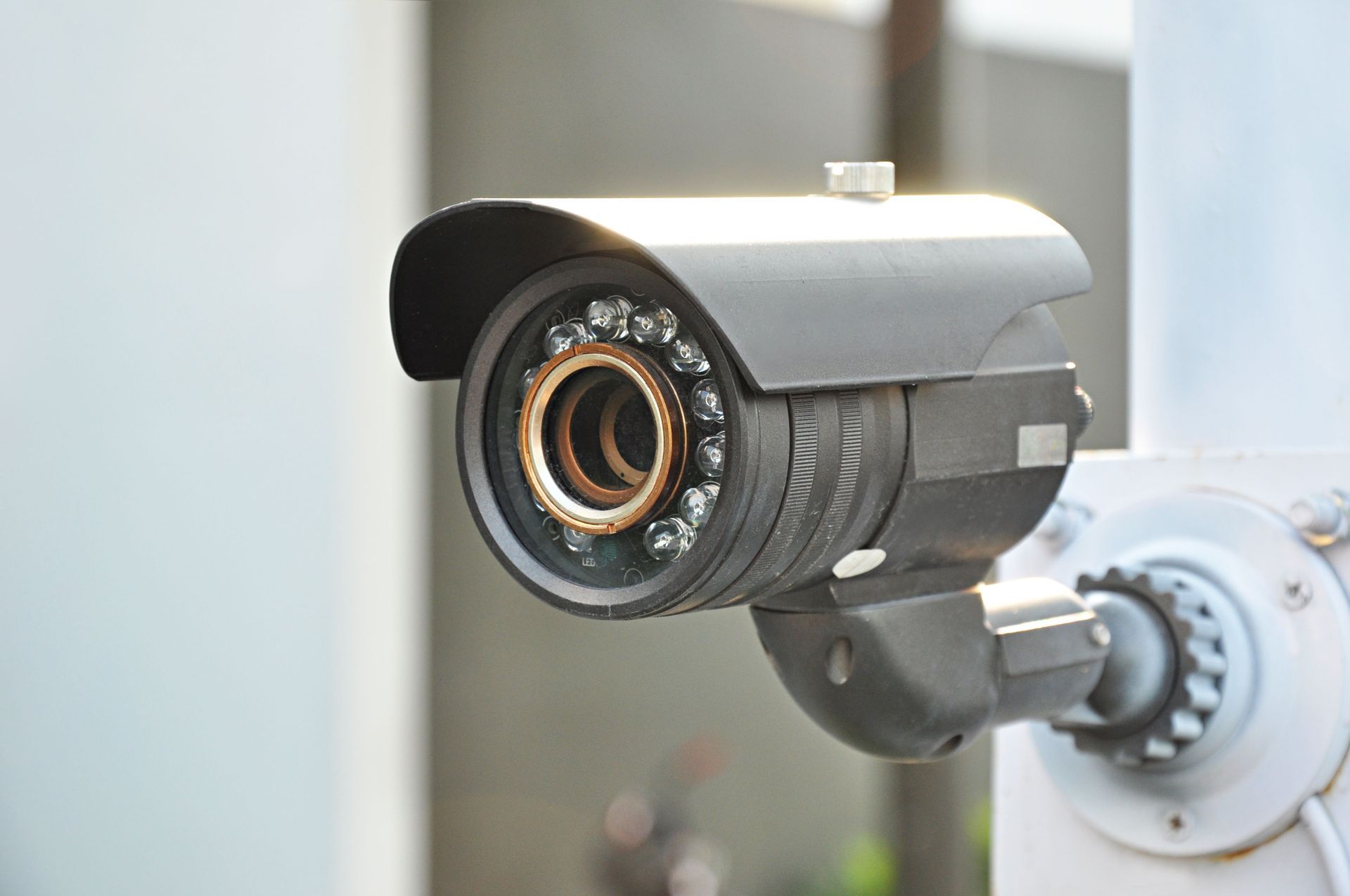
Once the plan is finalized, the physical work begins. The placement of cameras is arguably the most technical part of the day. A professional house security camera installation requires a balance between maximum visibility and aesthetic discretion. Technicians typically focus on the primary points of entry, such as the front door, back door, and first-floor windows. They also prioritize the corners of the home to provide a wide-angle view of the yard and driveway.
Modern high-definition cameras require stable power and data connections to function reliably. Depending on the system you choose, this might involve running Power over Ethernet (PoE) cables through the attic or crawlspace, or installing high-capacity batteries for wireless units. A professional house security camera installation ensures that all cables are hidden behind walls or tucked neatly under eaves, protecting the wiring from weather and tampering while maintaining your home's curb appeal.
Mounting Sensors and Control Hardware
While cameras provide the eyes of the system, sensors provide the tactile alerts. Technicians will install contact sensors on every designated door and window. These small, unobtrusive devices use magnets to detect when an entry point has been opened. In addition to entry sensors, motion detectors are placed in central hallways and living areas. These are often calibrated to be pet-immune, meaning they can distinguish between a human intruder and a cat or dog moving through the house.
The central control panel is the brain of the operation. It is typically mounted in a convenient, central location, such as a mudroom or a main hallway. This panel connects all the peripheral devices, including cameras, sensors, and sirens, into a single interface. During this phase, the technician will also install any secondary keypads or smart locks included in your package. Each component is registered to the system, creating a digital map of your home's security zones.
System Integration and Mobile App Setup
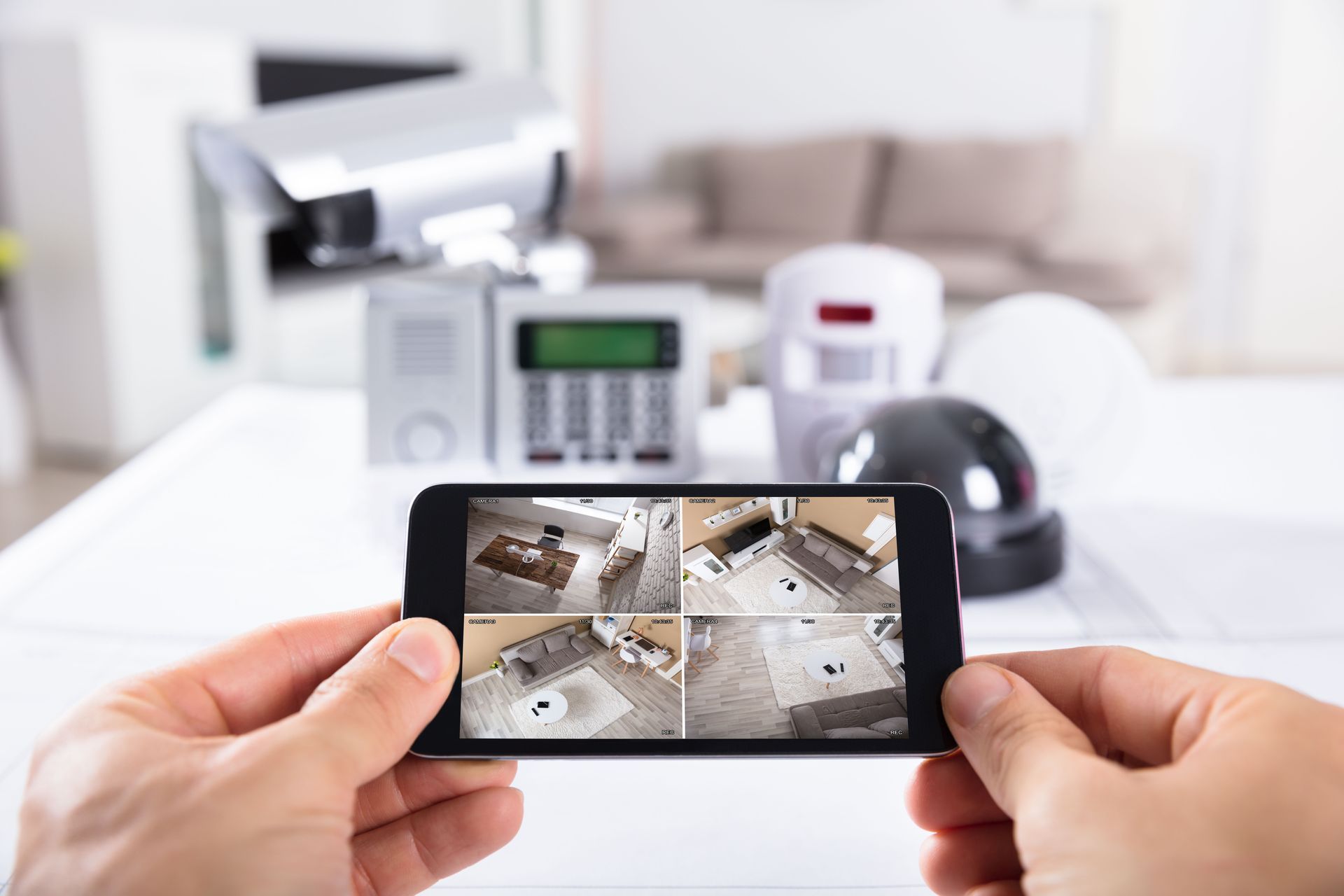
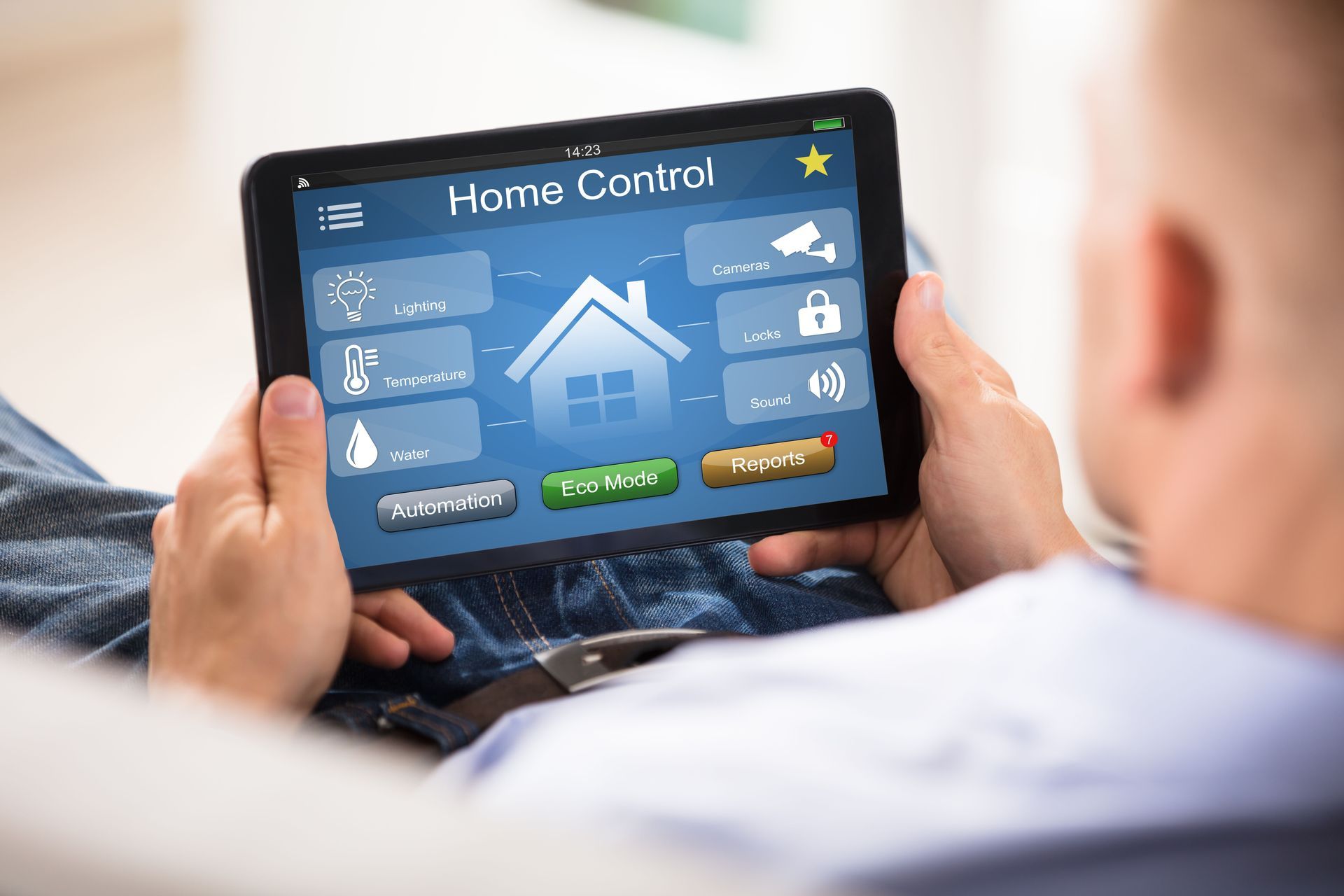
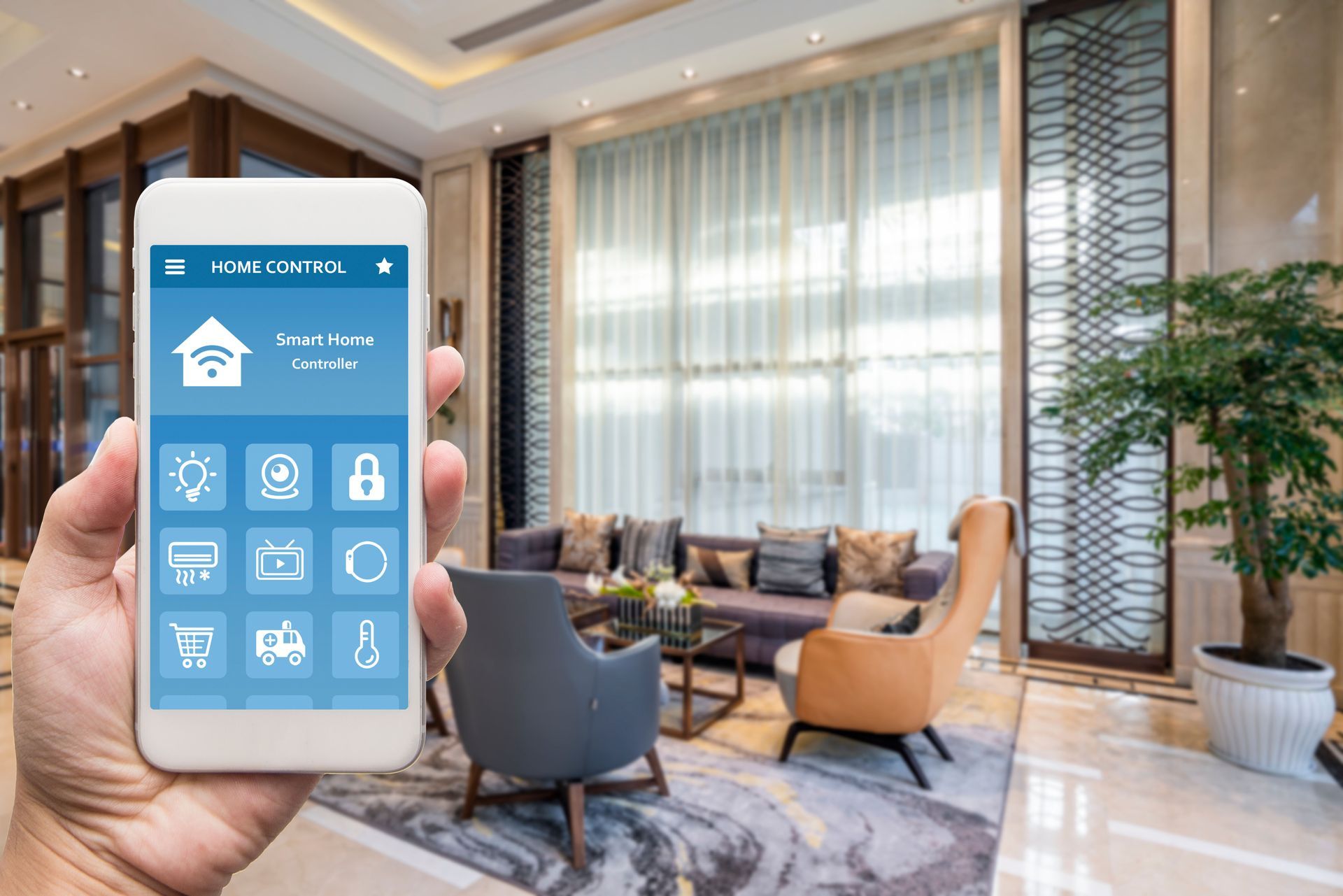
In the age of the smart home, your security system must be accessible from anywhere. Once the hardware is in place, the technician will help you download and configure the security app on your smartphone and tablet. This step bridges the gap between the physical equipment and your digital life. You will learn how to view live feeds, receive push notifications when a sensor is triggered, and speak through two-way audio features on cameras or doorbells.
This integration process often includes setting up automated scenes. For example, you can program the system so that when the front door is unlocked, the security system disarms and the interior lights turn on. The technician will ensure that your house security camera installation is fully synced with your home's Wi-Fi, providing a stable connection for remote monitoring. They will also help you set up user accounts for other family members, ensuring everyone has the appropriate level of access.
Rigorous Testing and Monitoring Verification
Before the technician leaves, the system undergoes a series of stress tests. This is not just about making sure the lights blink; it is about verifying that the system will work during a real emergency. The technician will intentionally trigger an alarm for every door and window sensor to ensure the siren sounds and the signal reaches the professional monitoring center. They will also test the battery backup system by temporarily disconnecting the power to ensure the home remains protected during a blackout.
During this testing phase, the technician verifies the latency of the video feeds. A high-quality house security camera installation should provide a near-instant transition from motion detection to a notification on your phone. If your system includes professional monitoring, the technician will call the dispatch center to confirm they received the test signals. This verification process provides the final layer of assurance that your investment is fully operational and ready to defend your home.
Final Walkthrough and Homeowner Training
The final hour of the installation day is dedicated to you. The technician will walk you through the operation of the system, teaching you how to arm and disarm the alarm in different modes. They will explain the meaning of different lights and sounds on the control panel and show you how to troubleshoot common issues, such as low battery alerts or connectivity hiccups.
This is also the time to review the privacy settings of your house security camera installation. You will learn how to mask out certain areas from the camera's view, such as a neighbor's window, to ensure you are respecting privacy laws while maintaining security. The technician will provide you with yard signs and window decals, which serve as the first line of deterrence. By the time the professional leaves, you should feel confident and capable of managing your new security ecosystem.
Is your home ready for a professional security upgrade? Contact our installation experts at Castle Protection & Automation today to schedule a comprehensive property assessment and discover the perfect surveillance solution for your family. We'll be happy to answer any questions you may have before we start the installation process.