August 28, 2026
In today's world, the installation of house security cameras has become a pivotal step in ensuring the safety and security of homes. With the rising incidents of burglary and vandalism, homeowners increasingly recognize the merit of installing a robust security camera system. This proactive approach not only deters potential intruders but also provides peace of mind. This guide will delve into the essential factors you need to take into account before proceeding with house security camera installations.
1. What Are the Types of Security Cameras Available?
The market for security cameras is vast, offering an array of choices that cater to different needs and preferences. Understanding these options is crucial to select the best fit for your home. This section explores the various types it: wired versus wireless cameras, indoor versus outdoor options, and smart cameras with AI features.
1.1. Wired vs Wireless Security Cameras
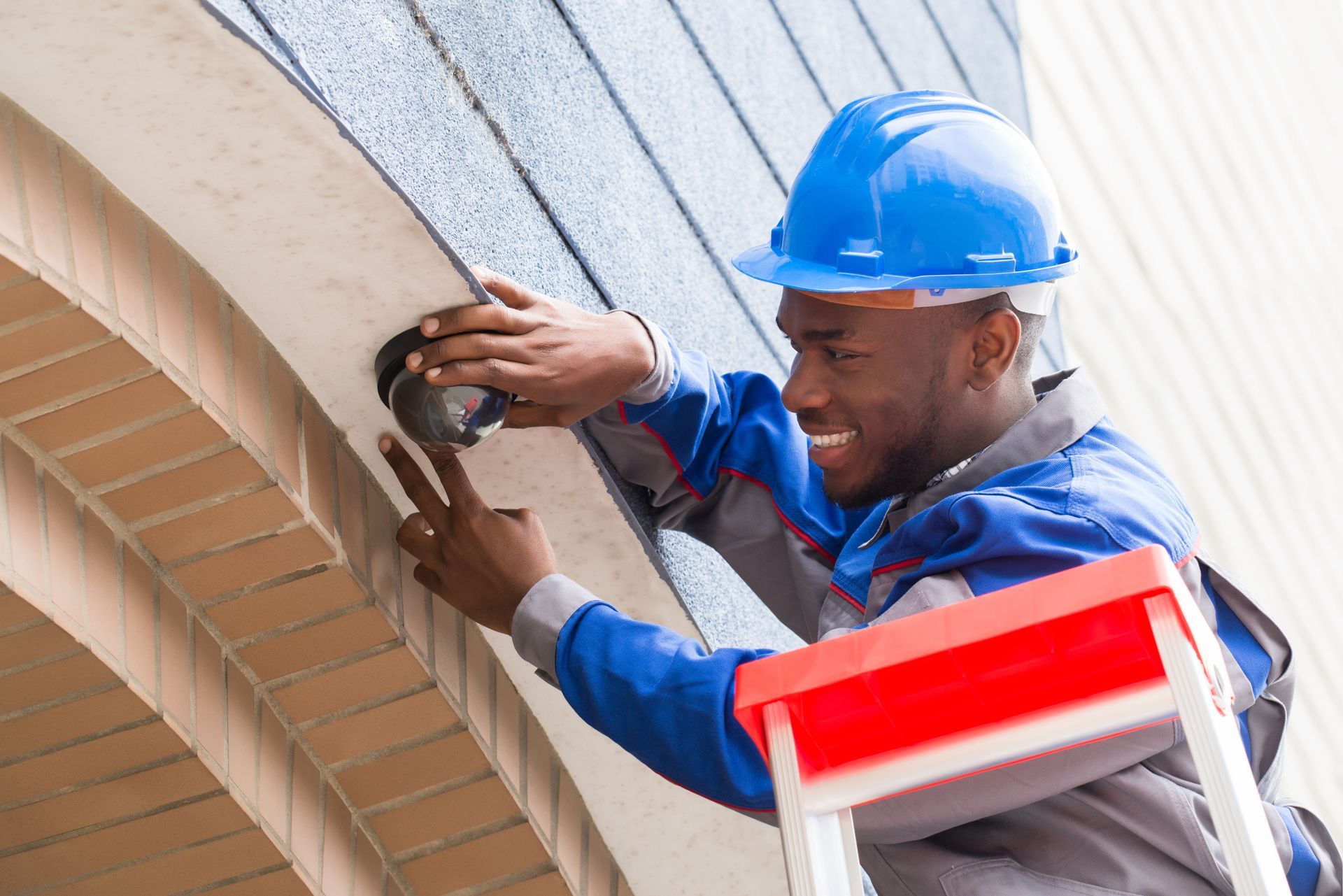
Wired security cameras have been the traditional choice for many homeowners due to their reliable connection and consistent performance. These cameras are typically connected to a central recording device via cables, ensuring stable data transmission. However, the installation process can be cumbersome and invasive, requiring drilling and professional wiring. On the other hand, wireless cameras offer flexibility and ease of installation, but they depend on a stable Wi-Fi connection for optimal performance.
Wireless security cameras, gaining popularity among tech-savvy homeowners, operate using Wi-Fi to transmit footage to a cloud-based server. This offers the flexibility to reposition cameras if required, as there are no physical cables involved. Despite their advantages, they can be susceptible to Wi-Fi interferences and signal disruptions. Wired cameras, meanwhile, continue to appeal due to their uninterrupted data flow and reliability in all weather conditions.
The decision between wired and wireless cameras often boils down to weighing reliability against convenience. For homes with reliable Wi-Fi networks and simpler installations, wireless cameras are an excellent choice. Conversely, for those seeking maximum reliability and data integrity, especially in larger properties, wired cameras may be preferable. Homeowners should carefully assess which type aligns better with their specific security needs and logistical circumstances.
1.2. Indoor vs Outdoor Cameras
Indoor and outdoor cameras are designed with distinct purposes and features in mind. Indoor cameras emphasize capturing activity within the home and come in compact designs to blend with the interior decor. They focus on monitoring entries, hallways, and living areas where valuables or sensitive information may be stored. Outdoor cameras, meanwhile, are built to withstand harsh environmental conditions and are equipped with robust housings to protect against wind, rain, and snow.
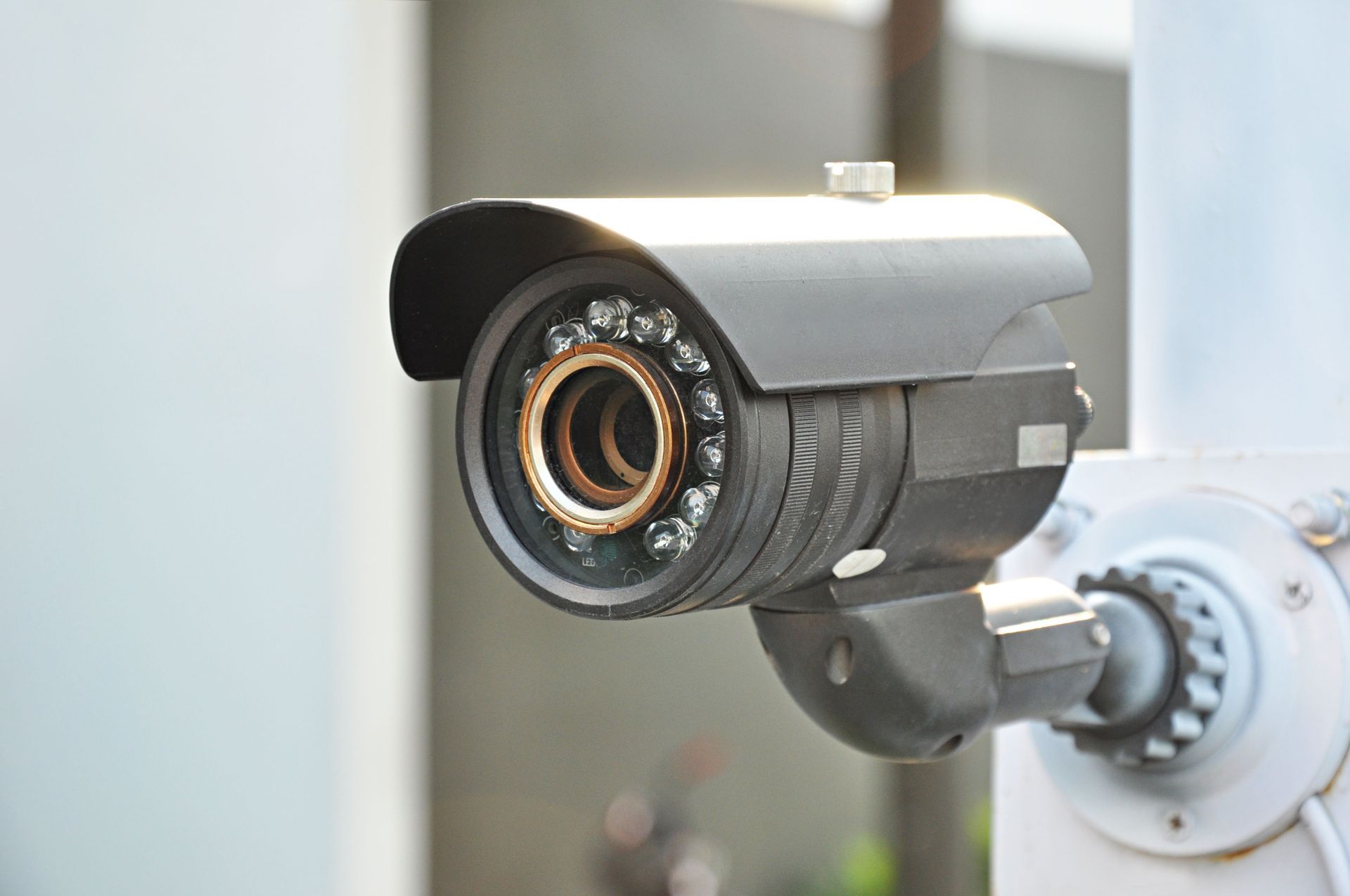
Outdoor cameras provide a first line of defense against potential break-ins, often featuring wider fields of view and enhanced zoom capabilities. They are typically installed at entry points to deter intruders and capture their activities upon approach. These cameras are frequently equipped with infrared night vision and motion sensors to operate effectively in low-light conditions. In contrast, indoor cameras often focus more on recording daily activities and ensuring child or pet safety.
The choice between indoor and outdoor cameras depends on the specific area you intend to monitor and the security concerns you wish to address. Many security systems typically integrate both types to provide comprehensive surveillance coverage. Whether prioritizing indoor privacy or outdoor vigilance, selecting the right camera type is pivotal in ensuring effective house security camera installations.
2. How Do You Determine the Best Placement for Cameras?
Strategic placement of security cameras is essential for maximizing their effectiveness and minimizing blind spots. Proper positioning ensures comprehensive coverage, clear footage, and provides an effective deterrent against potential threats. This section will discuss the best practices in camera placement, focusing on strategic entry points, coverage versus blind spots, and optimal height and angle settings.
2.1. Strategic Entry Points
Determining the most strategic entry points for camera installation is crucial for effective surveillance. Entry points, such as front doors, back doors, and ground-level windows, are the most vulnerable and should be prioritized. Cameras at these locations serve as a deterrent by making potential intruders aware they are being monitored. Positioning cameras at these critical access points ensures that any unauthorized entry attempt is captured on film.
Common entry points also include stairways and secondary access areas like garages and basement doors. Capturing footage of entrances and exits can provide law enforcement with critical evidence if a security breach occurs. According to HomeAdvisor, basic security systems typically use 1MP or 2MP cameras for general surveillance, while 4MP and 6MP cameras deliver sharper images without excessive storage or bandwidth demands. Utilizing high-resolution cameras at critical entry points will produce clear footage that is crucial during investigations.
Homeowners should also consider potential vulnerabilities unique to their property layout. For example, side alleyways or stand-alone garages where less traffic occurs may need additional surveillance. It is advisable to perform a thorough walk-around of the property to identify any overlooked entry points deserving of camera coverage. With strategic placement, homeowners can optimize the range and effectiveness of their house security camera installations.
2.2. Coverage Areas vs Blind Spots
Maximizing coverage while minimizing blind spots is a fundamental goal when installing security cameras. It requires careful planning to ensure every corner and potential entry point is within a camera's field of view. This often involves using multiple cameras working cohesively to cover broader areas like yards and parking spaces. Configuration may involve overlapping fields of view to ensure seamless surveillance and comprehensive coverage.
Understanding the limitations of each camera's range and field of view is essential to planning. Wide-angle lenses are beneficial for covering expansive areas, while PTZ (pan-tilt-zoom) cameras offer flexible coverage to adjust focus dynamically. However, it is also vital to recognize the presence of blind spots such as those created by beams, large trees, or architectural features. Corrective measures can include repositioning cameras, adding additional units, or employing other technologies like mirrors or drones to fill the gaps.
3. What Are the Key Features to Look for in a Security Camera?
3.1. Resolution and Image Quality
Resolution is one of the most crucial aspects when it comes to purchasing security cameras. Higher resolution cameras provide clearer images, which is paramount for identifying faces or license plates during a security incident. According to HomeAdvisor, basic systems typically use 1MP or 2MP cameras, sufficient for general surveillance. For sharper images without excessive storage or bandwidth demands, consider 4MP and 6MP cameras.
Advanced resolution cameras, such as 8MP and 12MP, are generally reserved for large commercial or industrial properties due to their greater data storage requirements. It is important to balance resolution with practical considerations, such as available bandwidth and data storage capacity. Opt for higher MP cameras at critical areas where detail is important, such as entry points and driveways. Selecting the right resolution can significantly affect the use and efficiency of your house security camera installations.
3.2. Night Vision and Low Light Performance
One of the defining features of effective security cameras is their ability to perform in low light or complete darkness. Night vision capabilities are crucial for 24/7 surveillance, especially in areas with low ambient lighting. Cameras equipped with infrared LEDs can illuminate an area invisibly to the human eye, providing a clear view even on the darkest nights. This is essential for capturing events that may occur under the cover of darkness.
Some cameras offer color night vision, delivered via additional technologies like floodlights or low-light sensors, offering even more detail than standard infrared-based night vision. When evaluating night vision capabilities, consider the distance over which the camera can effectively record. This specification can vary widely between models, affecting their usability in different outdoor or indoor contexts.
House security camera installations bring a necessary layer of safety to modern homes. By considering the outlined factors—types of cameras, strategic placement, and key features—homeowners can make informed decisions tailored to their unique security needs. High-resolution imaging, night vision, smart capabilities, and effective placement all contribute to an enhanced security posture. This comprehensive understanding ultimately empowers homeowners, allowing for effective and reliable house security camera installations to safeguard their property and loved ones. Reach out to Castle Protection & Automation today to see how we can help you!