Begin your journey into the world of home automation by first understanding its foundational aspects. Home automation involves integrating smart technology into your living environment to enable more control, convenience, and efficiency. This guide aims to walk you through setting up your home automation system, explaining its advantages and outlining the latest trends that enhance lifestyle comfort.
1. Understanding Home Automation Basics
1.1 What is Home Automation?
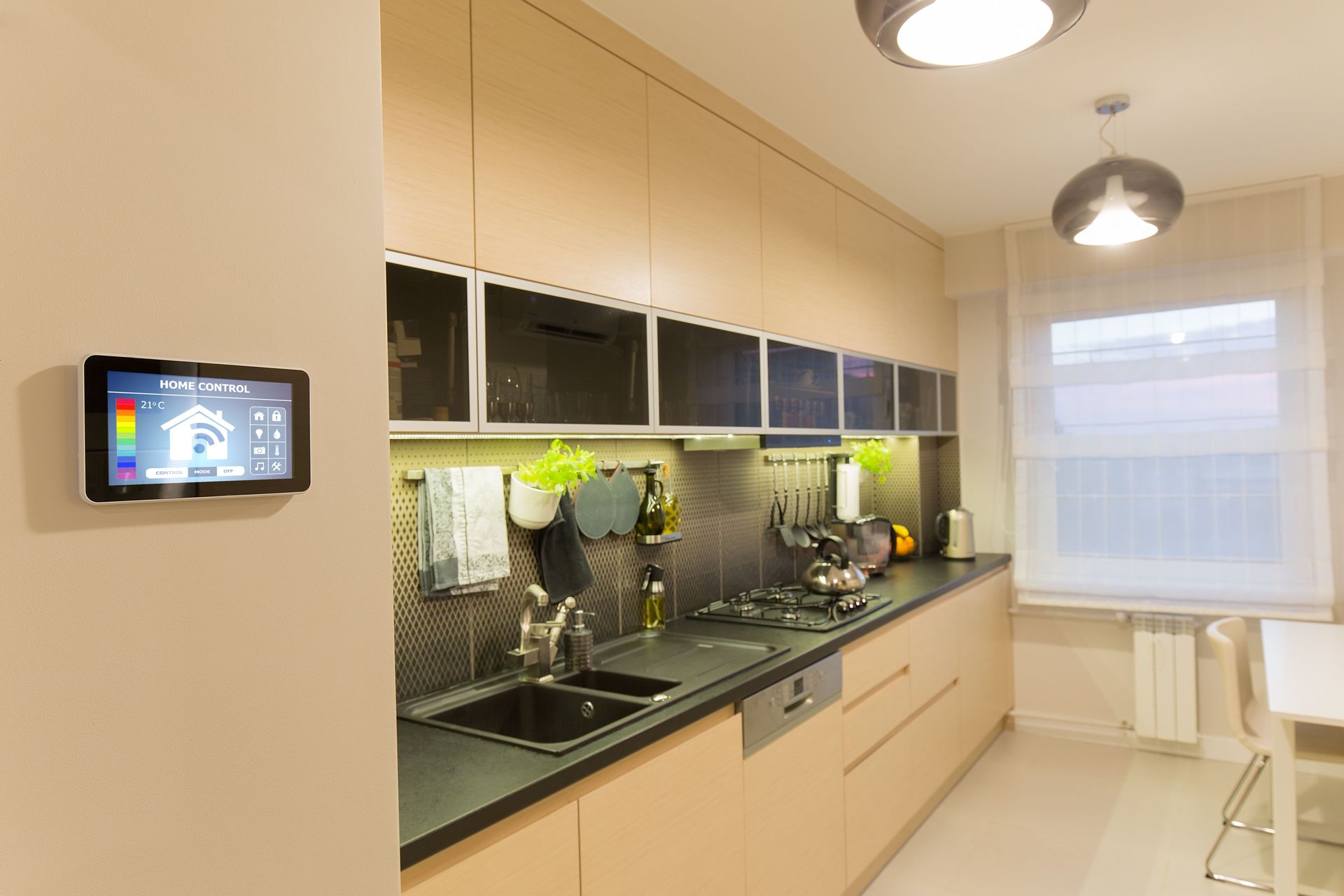
Home automation refers to the use of technology to control and manage appliances and systems within a household. The concept has evolved from simple remote control systems to sophisticated setups that integrate Artificial Intelligence (AI) and Internet of Things (IoT). This evolution allows not just for user convenience but also for creating smart homes where devices communicate autonomously. Such advancements enable seamless operation, making life easier and your home more energy-efficient. Over the years, streamlined protocols and evolving tech have formed a solid bedrock for broader adoption and innovation.
1.2 Key Components of a Home Automation System
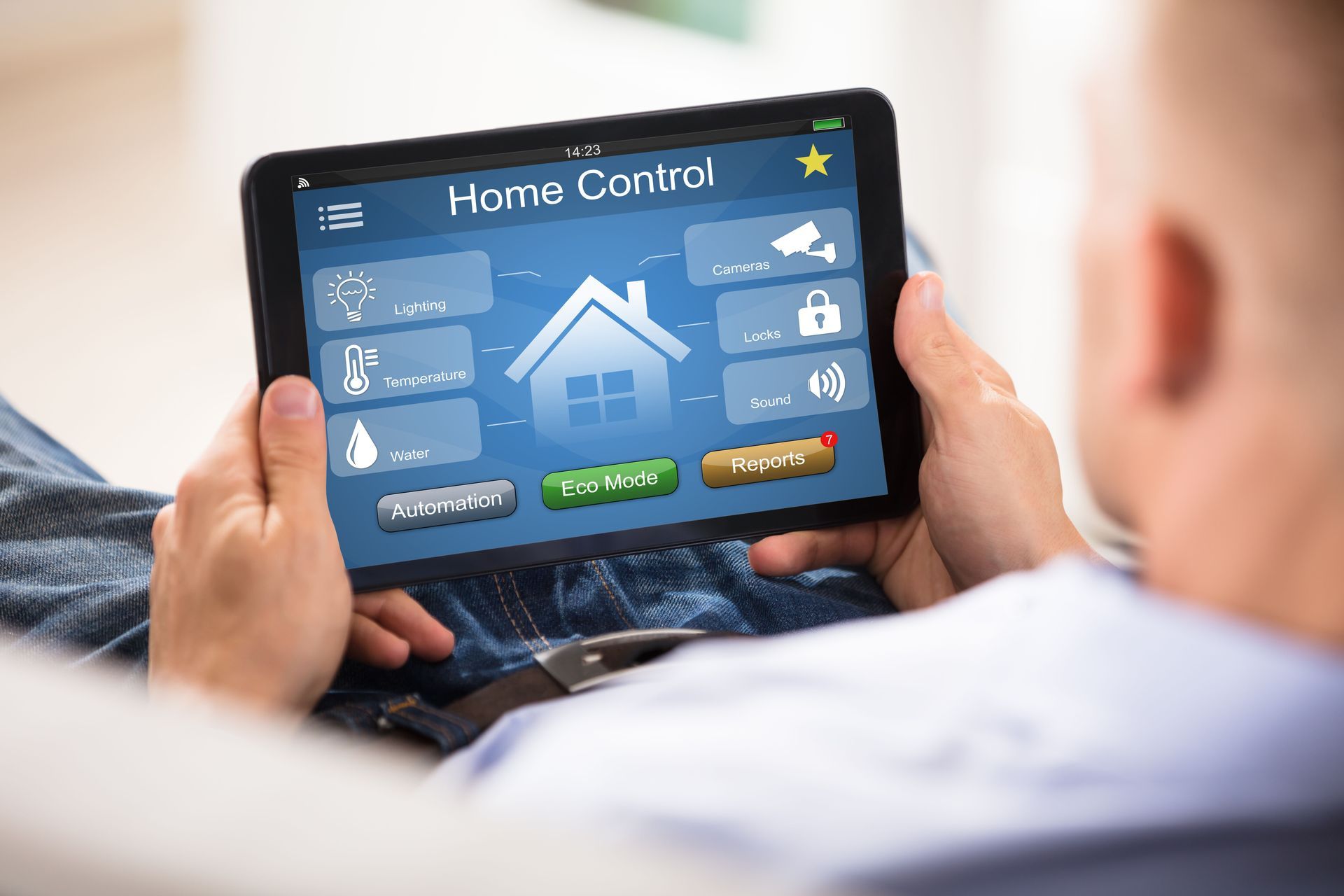
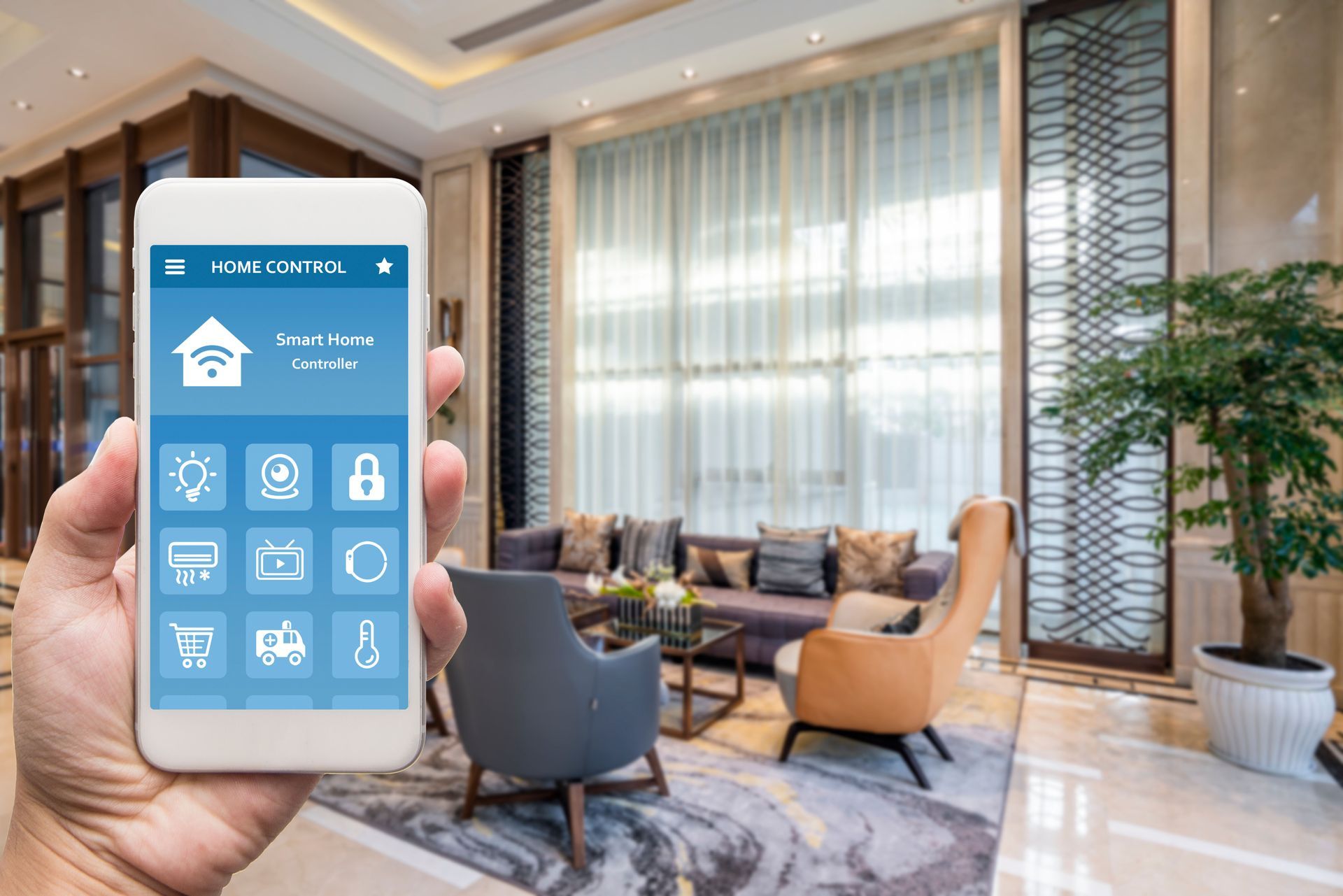
A home automation system typically comprises several key components designed to harmonize operation and control. These components include smart hubs, which serve as the brains of the operation, allowing devices to communicate with each other. Smart devices, ranging from thermostats to security systems, are integral. Software platforms and mobile apps also play a critical role, enabling user interaction and operational visibility from anywhere. The seamless integration of these components results in a uniformly connected home environment.
1.3 Types of Home Automation Systems
There are several types of home automation systems available, each catering to specific user needs. You have centralized systems that control devices from a single command center, offering robust functionality but at higher costs. Decentralized systems provide individual control over devices but might result in complexity regarding management. Proprietary systems designed by specific brands offer unique features but may have compatibility issues. Open systems allow for integrations and personal tailoring, ensuring comprehensive coverage.
1.4 Advantages of Home Automation
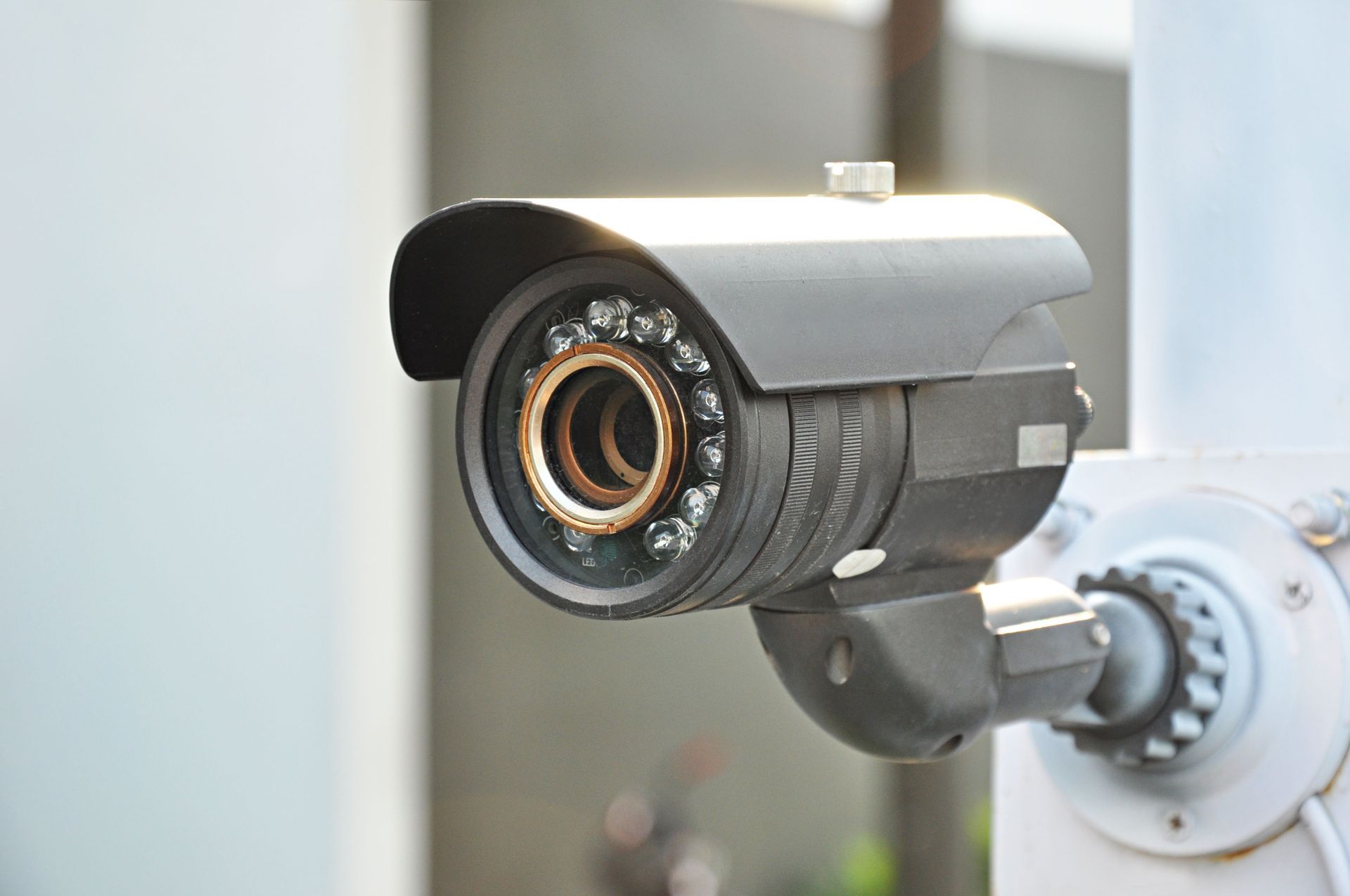
Home automation provides an array of benefits, most notably in convenience and energy savings. With remote control capabilities, users can manage lighting, climate, and security straight from their smartphones. Security is another paramount advantage, as automated systems increase home protection through motion detection and real-time alerts. Operating these systems can lead to lower energy bills by improving energy efficiency through smart heating and lighting controls. The synergy of these advantages substantially enhances the living experience.
2. Planning Your Home Automation System
2.1 Your Needs and Lifestyle
Before diving into purchasing devices, it's crucial to assess your household's specific needs and lifestyle. Determine which aspects of home automation hold the most value, whether it's security, energy efficiency, or lifestyle conveniences. Prioritize your preferences by considering daily habits and pain points that could be resolved through automation. Engaging in this reflective process helps create a streamlined and effective home automation plan. Ultimately, the system you select should complement, rather than complicate, your lifestyle.
2.2 Compatibility and Integration
For a cohesive home automation experience, ensure the compatibility and seamless integration of various components. It's essential that new devices communicate effectively with existing systems, avoiding operational glitches and maximizing utility. Prioritize devices from reputable brands that support open protocols, enhancing flexibility and future integration ease. Ensure that all selected components include provisions for software updates and technological advancements. Effective integration is essential for a consistent and unified smart home experience.
2.3 Options for Future-Proofing Your System
With rapid advancements in technology, future-proofing your home automation system is essential to maintain its relevance and utility. When selecting devices and infrastructure, consider options that allow for easy upgrades and compatibility with future technologies. This could include devices offering software updates or adopting modular systems that can evolve over time. According to Grand View Research, the global IoT security market is anticipated to grow at a 26.8% CAGR through 2030, reflecting increasing demand for security as technology advances. Incorporating these trends into your planning provides a sustainable and adaptive system for the long term.
3. Selecting Devices and Products
3.1 The Right Smart Hub
The smart hub serves as the central command of your home automation system, making its selection pivotal. Look for hubs that offer broad compatibility with multiple device protocols, ensuring flexibility as you expand your system. Consider the hub's ease of use, along with the quality of its associated software and voice command capabilities. Additionally, ensure reliable customer support and regular software updates to address security concerns. A well-chosen hub simplifies managing your entire smart ecosystem from a single interface.
3.2 Smart Lighting Options
Smart lighting represents one of the most impactful areas of home automation. It provides flexible control through dimming features, color changes, and energy-efficient models. When selecting lighting options, prioritize compatibility with existing systems and voice assistant capabilities for seamless integration. Consider energy consumption and the potential cost savings offered by LED technology. Smart lighting not only improves energy efficiency but enhances personal comfort and aesthetics within the home environment.
3.3 Temperature Control and Thermostats
Smart thermostats significantly contribute to both comfort and energy efficiency. They offer learning capabilities to adjust heating and cooling based on user habits, leading to reduced energy consumption and lower utility bills. Evaluate thermostats for compatibility with existing HVAC systems and their ability to interface with home automation platforms. Look for detailed data analytics capabilities that help you track energy usage patterns. By investing in sophisticated temperature control devices, you enhance comfort while optimizing resource use and sustainability.
4. Optimizing the Home Automation System
4.1 Updates and Regular Maintenance
Regularly updating software and maintaining devices are crucial in optimizing a home automation system. System updates typically include new features, improved functionality, and critical security patches. Set devices to update automatically to ensure your system is constantly refreshed with the latest features. Routine maintenance increases the lifespan of your devices and sustains peak performance. Consistent upkeep of systems invites fewer disruptions or failures, keeping your smart home running smoothly.
4.2 How to Maximize Energy Efficiency
Maximizing energy efficiency through home automation is both cost-effective and environmentally responsible. Smart thermostats can adjust heating and cooling based on occupancy, saving energy during peak hours. Investing in energy-efficient lighting and smart power strips can further reduce unnecessary energy consumption. Use data and analytics from your system to identify usage patterns and make informed decisions about device management. Efficient systems not only lower utility costs but also contribute positively to environmental sustainability.
4.3 Automation Customization for Daily Life
Customizing home automation should reflect your daily life and unique household needs. Think creatively about scenarios that will enhance convenience, like morning routines triggered by an alarm or energy-saving modes when not at home. Allow your system to adapt to household changes by regularly revisiting and tweaking setup preferences. A tailored automation optimizes efficiency and enriches the personal comfort that smart technologies promise. It's these little personalized touches in home automation that can significantly enrich quality of life.
Setting up a home automation system is a significant step towards a smarter, more efficient lifestyle. From understanding the fundamentals to planning, selecting devices, and optimizing your setup, each phase plays a vital role in maximizing your smart home's potential. The key lies in meticulous planning and a willingness to adapt your system as technology evolves. This flexibility will ensure longevity and efficiency in your home automation experience. Take the first step towards transforming your home by contacting Castle Protection & Automation today and asking about our expert home automation installation services.