August 8, 2026
Modern technology has transformed the way homeowners manage their properties, making it easier to improve security, comfort, and efficiency. One of the most practical advancements is the use of smart lighting schedules, which allow homeowners to automate when lights turn on and off throughout the day. When combined with home automation systems, smart lighting can create a more secure environment while helping reduce unnecessary energy consumption.
Smart lighting schedules allow homeowners to customize lighting patterns based on daily routines, travel plans, and energy goals. Instead of manually controlling every light fixture, homeowners can use apps, timers, sensors, and connected devices to create an efficient lighting strategy. According to Ruby Home, 51.4% of all U.S. households have at least one smart home device, showing how quickly connected technology has become part of everyday living.
As more homeowners adopt smart technology, home automation systems are becoming an increasingly valuable tool for managing household functions. Smart lighting is one of the easiest upgrades to implement because it provides immediate benefits without requiring major renovations. From discouraging unwanted visitors to lowering monthly utility expenses, scheduled lighting can serve multiple purposes at once.
How Do Smart Lighting Schedules Enhance Home Security?
A well-lit home often appears occupied, even when residents are away. This simple advantage makes smart lighting schedules an effective way to improve security. Burglars frequently look for signs that a property is vacant, and predictable darkness can signal that nobody is home. Smart lighting schedules allow homeowners to create realistic lighting patterns that mimic normal activity.
For example, interior lights can be programmed to turn on in the evening, while exterior lights can activate around sunset. Homeowners who travel can create varied schedules so lights do not turn on and off at exactly the same times every day. This creates a more natural appearance and makes it harder for outsiders to determine whether a home is occupied.
When paired with home automation systems, smart lighting can become part of a larger security strategy. Motion sensors, cameras, door locks, and alarm systems can work together to create a connected network of devices. If a security camera detects movement, automated lighting can activate to illuminate the area and potentially discourage suspicious activity.
Smart lighting also improves safety for residents by providing better visibility around entryways, walkways, and outdoor areas. Scheduled porch lights can make arriving home after dark safer, while automated hallway lighting can reduce the risk of accidents inside the house.
What Are The Energy Saving Benefits Of Smart Lighting Schedules?
Reducing energy waste is one of the biggest advantages of automated lighting. Many households waste electricity because lights are accidentally left on in empty rooms. Smart lighting schedules help prevent this issue by automatically turning lights off when they are not needed.
Homeowners can create schedules based on occupancy patterns, such as turning off office lights after work hours or reducing outdoor lighting during late-night hours. Some systems can also use sensors to determine whether a room is occupied, allowing lights to operate only when necessary.
LED smart bulbs provide additional energy savings because they typically use less electricity than traditional incandescent bulbs. Combining efficient bulbs with automated scheduling can further reduce energy usage over time. Homeowners can adjust brightness levels, create dimming schedules, and optimize lighting based on their preferences.
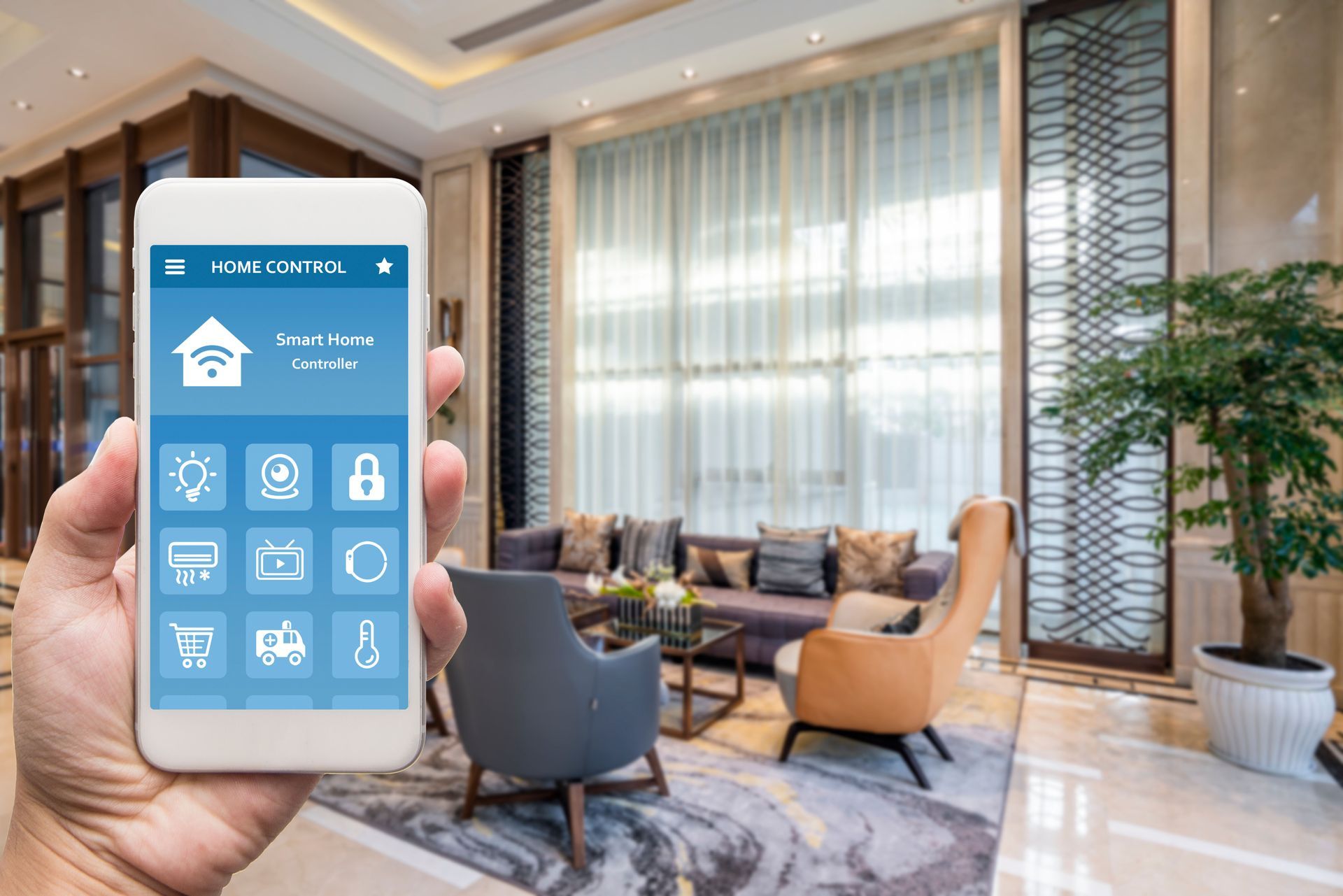
Home automation systems provide even more control by allowing users to monitor and adjust lighting remotely. If someone forgets to turn off lights before leaving the house, they can make changes through a smartphone app instead of wasting electricity all day. This level of control can contribute to lower utility bills and a more efficient household.
How Can Home Automation Systems Integrate With Smart Lighting?
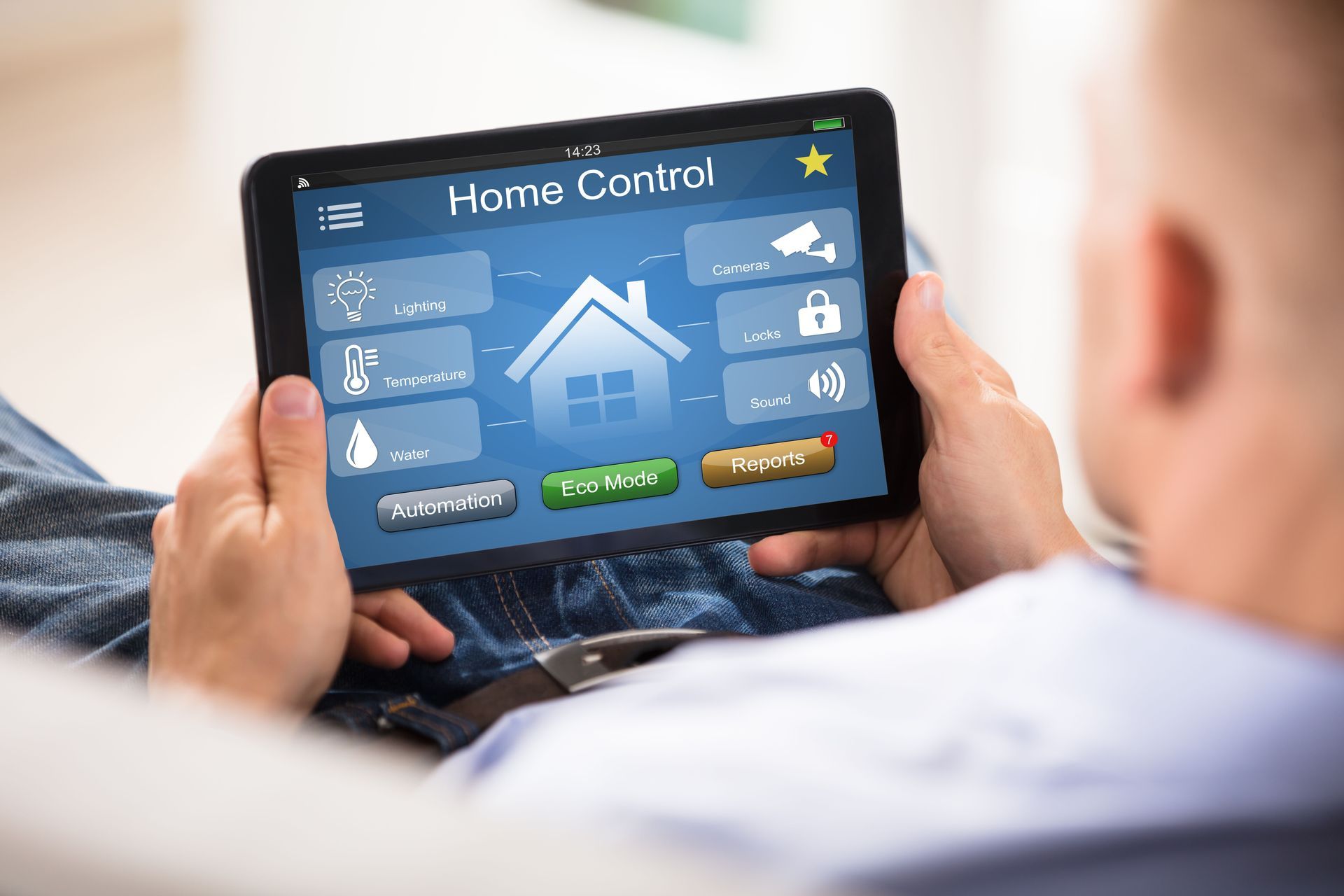
Smart lighting becomes even more useful when connected with other smart home technologies. Home automation systems provide a central platform where homeowners can control multiple devices, creating a seamless experience throughout the property.
Many smart lighting products connect through wireless technologies such as Wi-Fi, Bluetooth, or smart home hubs. Once connected, homeowners can establish routines that coordinate lighting with other household functions. For example, a “good morning” routine might gradually increase bedroom lighting while adjusting the thermostat. A “leave home” routine could turn off unnecessary lights, lock doors, and activate security features.
Integration also allows homeowners to customize lighting based on specific situations. A movie night setting could dim living room lights, while a vacation setting could activate random lighting schedules throughout the home. These automated routines provide convenience while helping homeowners maintain better control over energy use.
Voice control is another advantage of integrating smart lighting with broader home automation systems. Instead of searching for switches, homeowners can adjust lighting with simple voice commands. This is especially useful for individuals with mobility challenges or for controlling lights in areas that are difficult to access.
What Are The Best Smart Lighting Products For Home Security And Energy Saving?
A wide variety of smart lighting products are available, allowing homeowners to choose solutions that match their security and efficiency goals. Smart bulbs are among the easiest options because they can often replace existing bulbs without requiring major electrical changes. They allow users to schedule lighting, adjust brightness, and control settings remotely.
Smart switches are another popular option because they can automate traditional light fixtures. Unlike smart bulbs, smart switches control the power supply directly and can work with existing lighting setups. This makes them a practical choice for homeowners who want automation without replacing every bulb.
Outdoor smart lighting is particularly useful for improving security. Motion-activated floodlights, smart pathway lights, and connected porch lights can illuminate exterior areas when needed. These products can help deter unwanted activity while preventing outdoor lights from staying on unnecessarily.
Smart lighting systems that include sensors can provide even greater efficiency. Motion sensors, daylight sensors, and occupancy detectors allow lighting to respond automatically to real-world conditions. This prevents energy waste and ensures lights operate only when they provide value.
When selecting products, homeowners should consider compatibility with their existing home automation systems. Choosing devices that work with the same platform makes setup easier and creates a more reliable connected environment.
Is Smart Lighting Compatible With Voice Assistants And Other Smart Devices?
Smart lighting is designed to work alongside many popular voice assistants and connected devices. Homeowners can often integrate lighting with voice-controlled platforms to adjust settings without using a smartphone or physical switch.
Voice commands can be used for simple tasks such as turning lights on or off, changing brightness levels, or activating specific scenes. This hands-free control adds convenience and allows homeowners to manage lighting from anywhere in the house.
Beyond voice assistants, smart lighting can connect with security cameras, smart thermostats, and other connected devices. These integrations allow homeowners to create automated responses based on different events. For example, exterior lights can activate when a smart security system detects unusual activity, or interior lights can adjust based on a homeowner’s daily schedule.
The ability to connect multiple devices is one reason many homeowners invest in home automation systems. Instead of managing individual technologies separately, users can create a unified system that improves efficiency, comfort, and security.
Smart lighting schedules provide homeowners with an effective way to improve security while reducing energy costs. By creating realistic occupancy patterns, automated lighting can help discourage unwanted visitors and provide additional safety around the home. At the same time, scheduling features prevent unnecessary electricity use and support more efficient household management.
When combined with home automation systems, smart lighting becomes even more powerful. Integration with security devices, voice assistants, and other smart technologies allows homeowners to create a customized environment that fits their lifestyle. As connected technology continues to expand, smart lighting remains one of the simplest and most practical ways to make a home safer, smarter, and more energy-efficient. If you're looking to optimize your home security with smart lighting, reach out to the team at Castle Protection & Automation today!