In today's digital age, smart homes have transformed how we interact with our living spaces by promising seamless control and enhanced security. However, with the rapid emergence of new smart gadgets, optimizing your current home automation system becomes crucial to fully harness these benefits. By taking a strategic approach to your setup, you can ensure that every connected device works at peak performance.
1. Understanding Your Home Automation System
A modern home automation system involves the integration of technology into household routines, allowing control through a centralized interface. By automating everyday tasks from lighting to temperature regulation, homeowners can experience unprecedented convenience and reliable energy conservation. As technology continues to advance, understanding this complex ecosystem will be crucial for every modern homeowner looking to upgrade. Evaluating how these devices interact is the first step toward building a more responsive environment.
At the core of any smart setup lie its primary components, which include advanced sensors, controllers, and actuators. Sensors gather critical data regarding physical conditions like temperature or motion, while controllers process this data to decide subsequent actions. Finally, actuators execute these commands by physically adjusting hardware, such as dimming a light or locking a door. Understanding how these pieces fit together will aid significantly in optimizing your system's overall efficiency and daily performance.
System integration plays a pivotal role in creating a cohesive and functional smart home environment. By ensuring different brands and technologies work together seamlessly, comprehensive integration maximizes utility while reducing operational redundancies. Integrated setups also allow for advanced functionalities, such as triggering a whole series of actions from a single customized command. As your collection of gadgets grows, proper integration ensures you receive the maximum return on your technology investment.
After assessing your current setup, the next step is pinpointing specific opportunities for long-term optimization. Consider focusing heavily on critical areas like energy management, device interoperability, and the overall user experience. According to SQ Magazine, in 2025, smart home devices (including smart security systems) make up 32% of all consumer IoT usage globally. This rapid growth indicates the immense potential and demand for a highly optimized home automation system in modern residences.
2. Enhancing Network Connectivity
Your local wireless network serves as the fundamental backbone for almost every modern home automation system. Weak signal areas can cause smart devices to operate suboptimally, resulting in delayed responses or frequent disconnects. Installing Wi-Fi extenders or upgrading to a mesh network system can significantly improve coverage across your entire property. These solutions ensure seamless device communication, keeping your automated household running smoothly at all hours.
A high-performance router is absolutely crucial for supporting multiple internet-connected devices without experiencing lag. Modern routers offer dual or tri-band capabilities, which allow your critical devices to connect on less congested frequencies. This targeted distribution reduces network traffic congestion, effectively optimizing device functionality and reducing communication dropouts. Investing in a quality router lays a reliable foundation for your expanding home automation system ecosystem.
Implementing smart network segmentation involves creating entirely separate networks for different device types or household functions. This technical practice enhances security by isolating potential threats within a specific, restricted network segment. Additionally, segmentation can enhance overall performance by dedicating specific bandwidth to your high-priority automation hubs. By organizing your wireless connections efficiently, you can ensure smoother operation and greatly reduced signal interference.
While wireless connectivity offers unmatched convenience, utilizing wired connections gives you superior reliability and speed. Ethernet cables provide a stable connection that remains completely free from the environmental interference that can plague wireless signals. This stability is especially beneficial for bandwidth-intensive devices like high-definition security cameras, ensuring consistent performance. Balancing wireless convenience with wired stability is often the ultimate key to a well-optimized network setup.
Network security must remain a top priority when managing a fully connected modern household. Start by creating strong, unique passwords for your main wireless network, and remember to change them regularly. Enabling advanced encryption protocols ensures that all data transmitted over the airwaves remains thoroughly protected from outside interception. Regularly auditing these security settings ensures vulnerabilities are addressed promptly, safeguarding your entire home automation system from malicious actors.
3. Upgrading Automation Devices
Central smart hubs act as the primary command center for your entire home automation system. When selecting a new hub, carefully consider its compatibility with your existing gadgets and potential future additions. Comprehensive hubs support a vast range of communication protocols, offering excellent flexibility as your household needs evolve. Ensuring your hub integrates with popular voice assistants will also enable hands-free control for greater convenience.
It is wise to select devices that can effortlessly communicate with each other without requiring separate applications. Standardized wireless protocols like Zigbee and Z-Wave greatly increase compatibility among different manufacturing brands. Always check for regular manufacturer software updates that might improve interoperability between your existing tools. An interconnected system maximizes overall functionality, allows for complex routines, and reduces annoying operational hiccups.
Rapid technological advancements make investing in future-proof automation devices an essential strategy for homeowners. Opt for products that receive regular firmware updates and possess the hardware capabilities to handle emerging smart features. Doing so not only optimizes current functionality but also ensures impressive longevity for your household devices. While the initial costs might be higher, future-proof technology provides significantly better long-term value.
Prioritizing energy-efficient smart devices helps drastically reduce household utility consumption over time. Choosing automated tools that optimize their operational power consumption can lead to noticeable financial savings on your monthly bills. For instance, smart thermostats optimize temperature settings based on whether you are home or away. These intelligent technologies add both aesthetic and functional value while contributing directly to a greener environment.
4. Streamlining User Experience
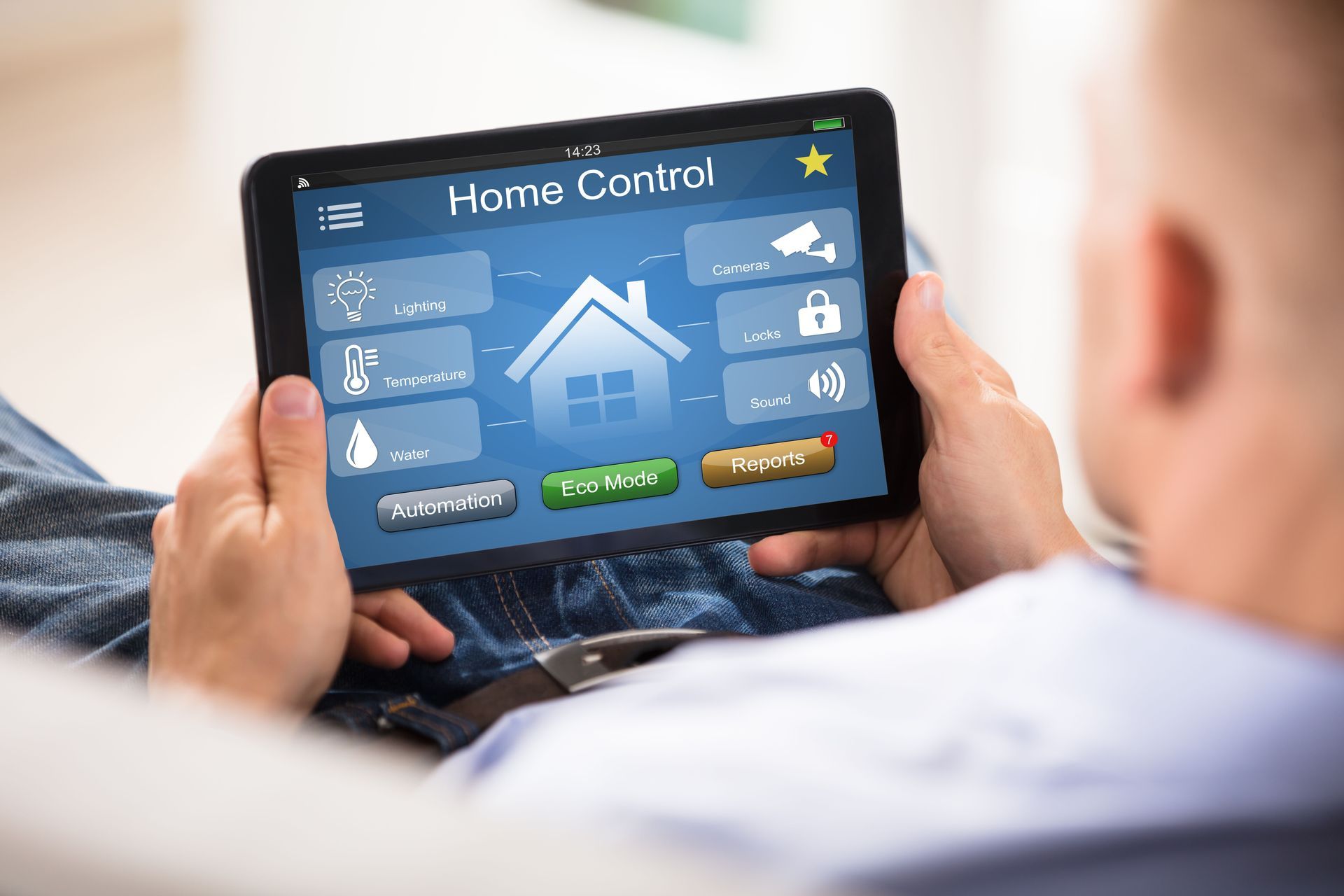
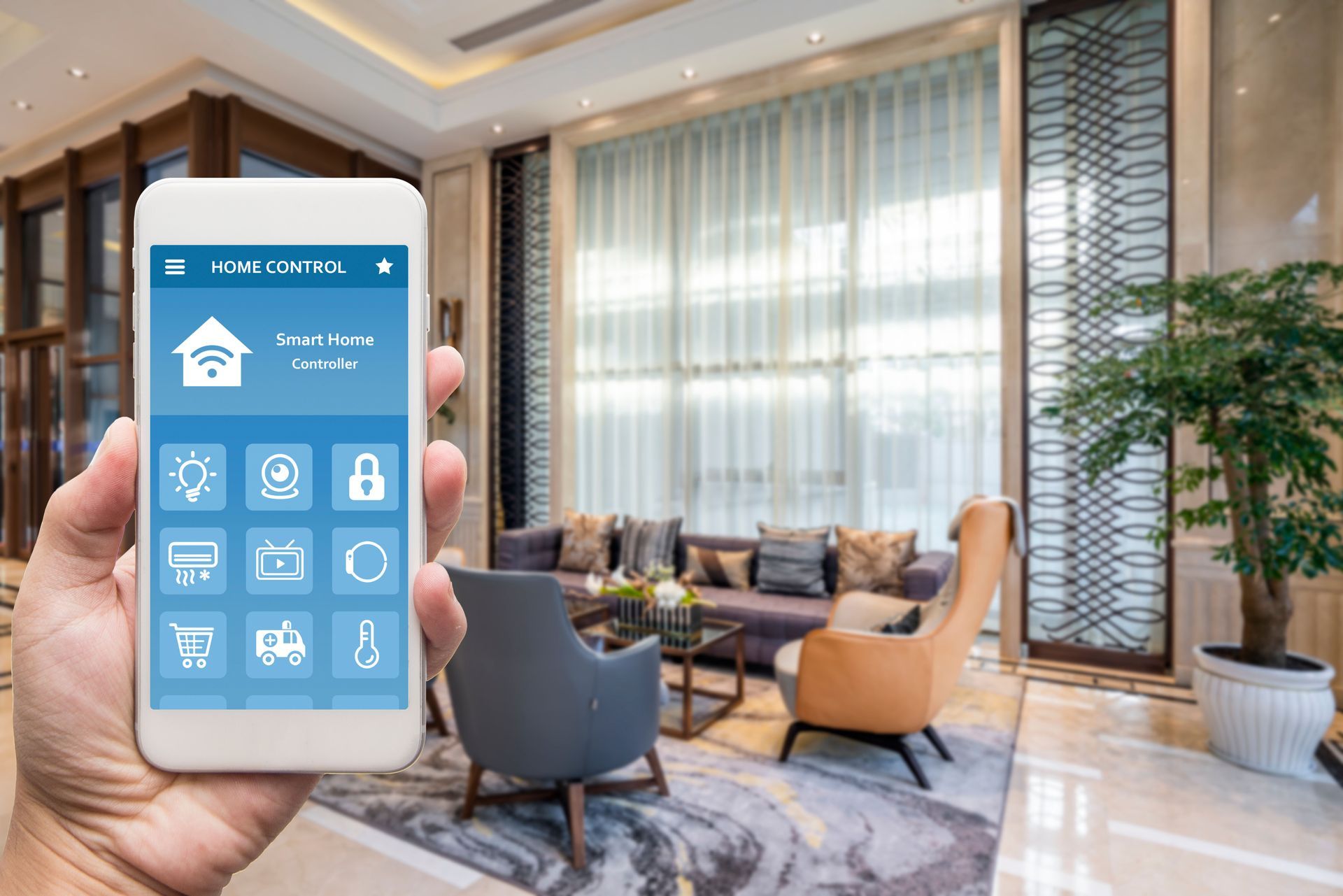
The overall ease of control directly impacts how much you enjoy your smart home ecosystem. Using a single, centralized application to manage all of your connected devices streamlines the daily user experience. Prioritize intuitive software interfaces that provide user-friendly navigation and clear control dashboards. By making device control straightforward, every member of the household can easily harness the full potential of the technology.
Customized automation scenes allow users to execute multiple device commands simultaneously with a single touch. By customizing these scenes, homeowners can tailor their living environment to fit specific daily routines and personal preferences. For example, a morning scene can gradually raise the lights, adjust the thermostat, and start the coffee maker automatically. This personalization simplifies operations, making your living space highly responsive and accommodating.
Establishing reliable voice control systems redefines convenience within a modern connected household. With simple voice commands, users can control ambient lighting, media appliances, and security locks without touching a screen. These hands-free systems make technology accessible to individuals across different age groups, including children and the elderly. Implementing voice control enhances the user experience by making system interactions feel completely natural.
5. Automating Daily Routines
Setting schedules and timers is one of the most fundamental strategies for automating daily household activities. By pre-setting times for lighting or climate adjustments, you can enhance both energy efficiency and personal comfort. Scheduling makes your daily home operations much more predictable, reducing the need for manual corrections. Homeowners should analyze their weekly habits and adjust these schedules to align perfectly with real-life routines.
Conditional automations respond to specific real-time triggers, making your home adaptive to unexpected events. These advanced rules include actions like turning off appliances when a room becomes vacant or adjusting shades based on sunlight intensity. The inherent flexibility of these rules mirrors your actual habits, making system operations incredibly intuitive. Conditional settings transform a standard house into a truly dynamic and intelligent environment.
Optimizing your home automation system requires a careful balance between reliable hardware, strong network connectivity, and user-friendly software interfaces. As modern homes continue shifting toward smarter ecosystems, the importance of implementing these efficiency strategies cannot be overstated. Whether you are a tech enthusiast or new to smart devices, these simple optimizations promise significant improvements to your daily routine. Taking the time to fine-tune your setup is the ultimate key to realizing the full potential of modern living technology. For more information, contact Castle Protection & Automation.